Skip to content
Mounis Bin Muzafar KhanWork with me

The stories.

Film, sound, and cross-disciplinary narratives.

1 / 12

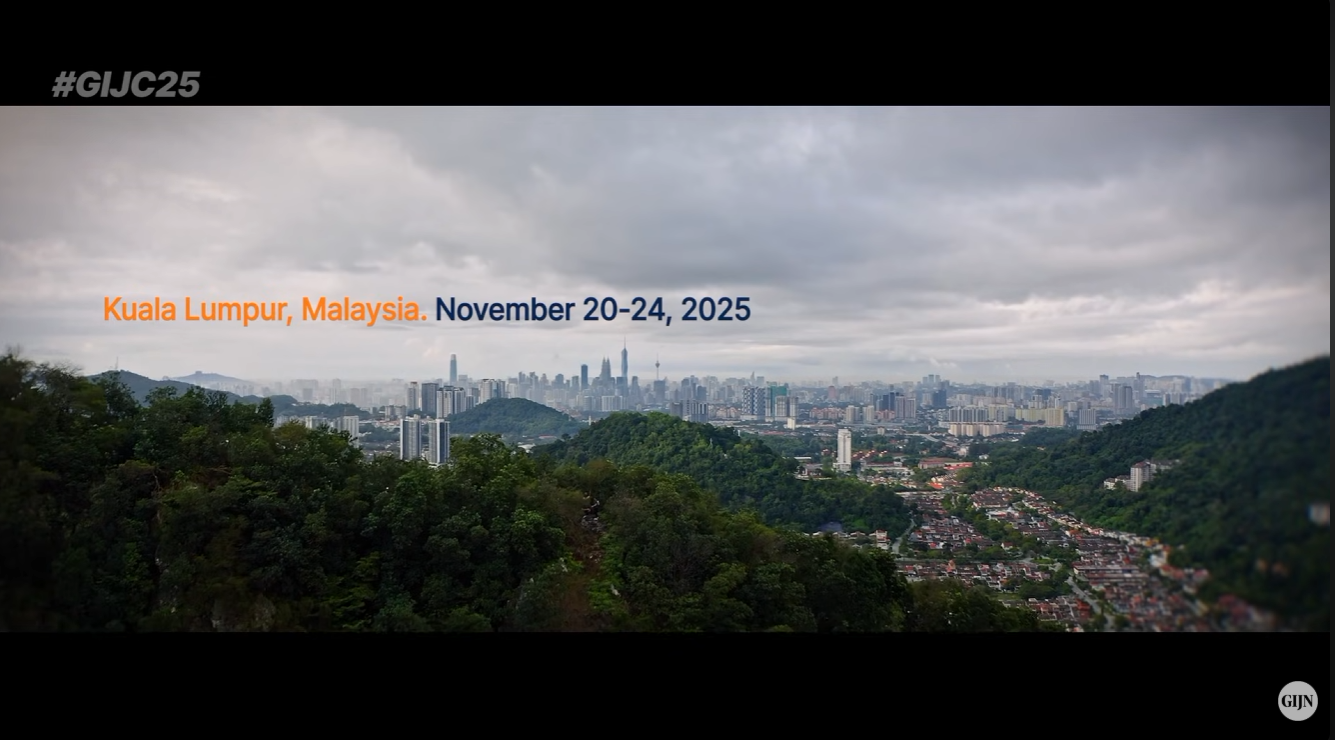
GIJC25 - Key Moments from Kuala Lumpur

The 14th Global Investigative Journalism Conference in Kuala Lumpur brought together more than 1,500 journalists from 135+ countries and territories — a powerful global community united by a shared mission: strengthening watchdog reporting in an era of funding crises, disinformation, digital surveillance, and rising authoritarianism. This new video captures the energy, collaboration, and urgency that defined #GIJC25. And to go deeper, we’ve compiled GIJN’s full coverage of the conference, including key takeaways, tools, tips, and standout investigations from around the world.
2 / 12

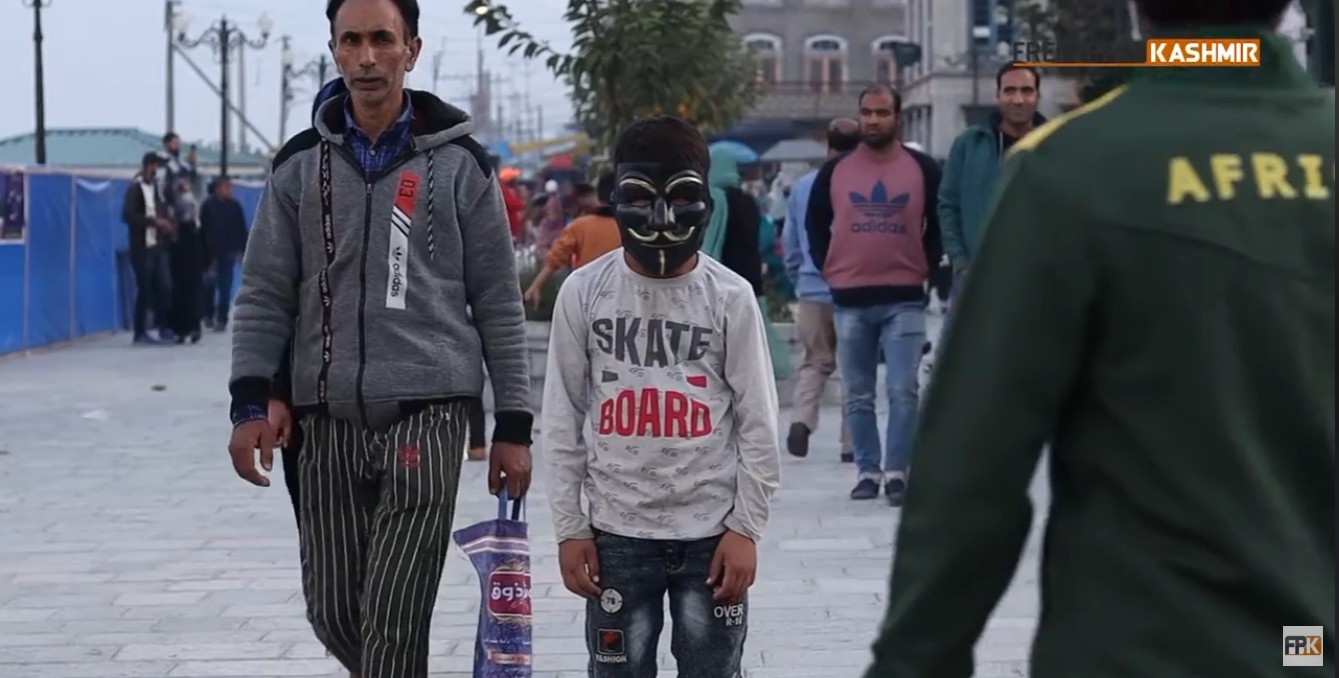
How Gamers In Kashmir Compete Without Internet

If you were a 90s kid with access to the internet, it’s likely that you grew up on games like Counter-Strike, Tekken and Contra. Irtika, Athar, and Toha are gamers like you, except they live in India administrated Jammu and Kashmir, a region that saw the most number of internet shutdowns in the world in 2022.

3 / 12

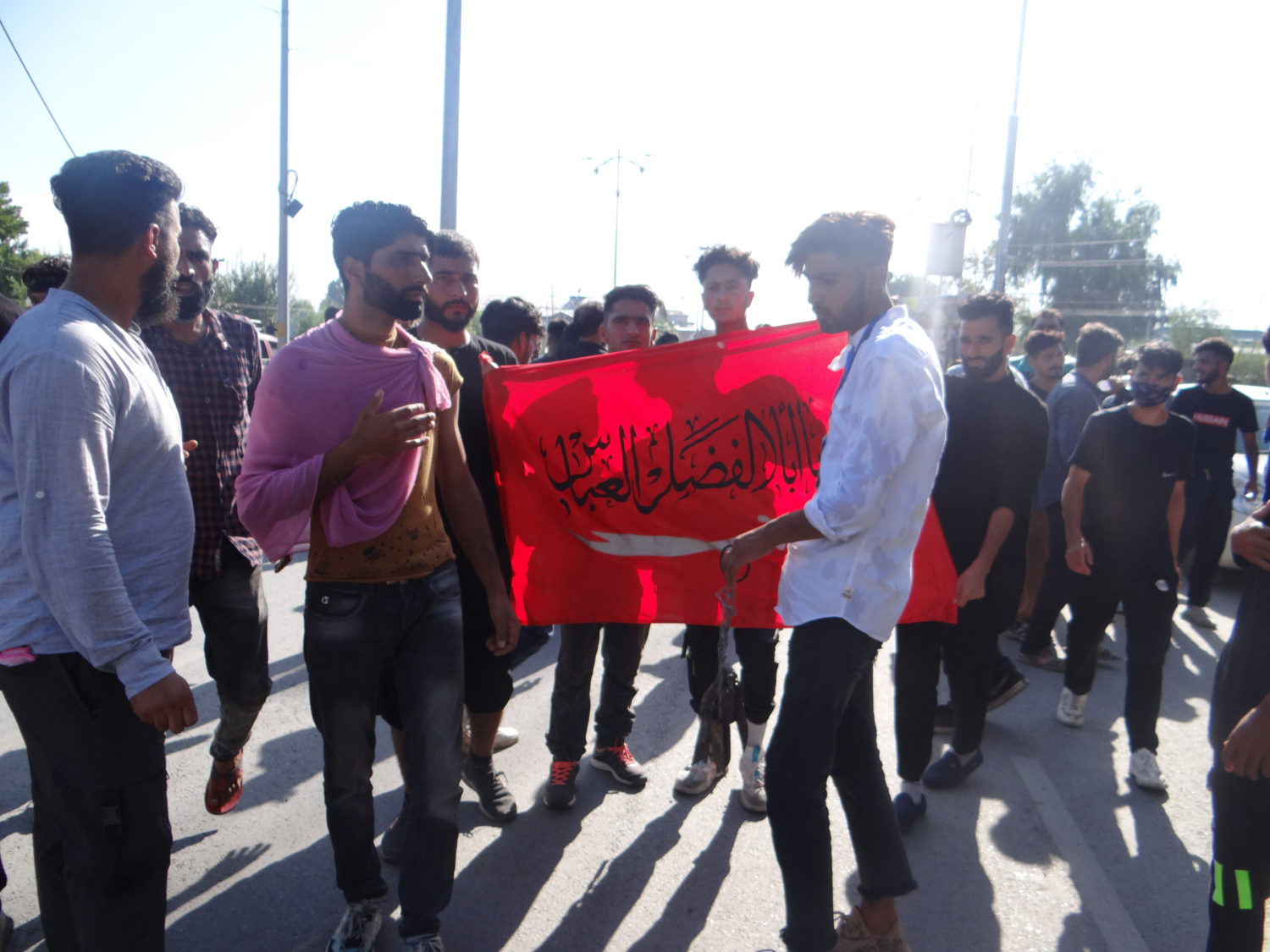
Beyond Muharram

Muharram signifies sacrifice, standing up for justice, and the spirit of Islam. In Kashmir, during the month of Muharram, the Shia Muslim community comes out with processions across the valley. They mourn, wave flags and banners, and recite Nawa while walking across the length and breadth of Kashmir. Volunteers work together during this period carrying the “message of justice and peace” on these banners hoisted across the region including places like Pulwama, Budgam, Baramulla and Srinagar.

4 / 12

How two years without Article 370 has hurt Kashmiri workers

As Kashmir completes its second year of lockdown, the people most affected have been its daily wage workers, who have endured immense mental and financial stress.

5 / 12

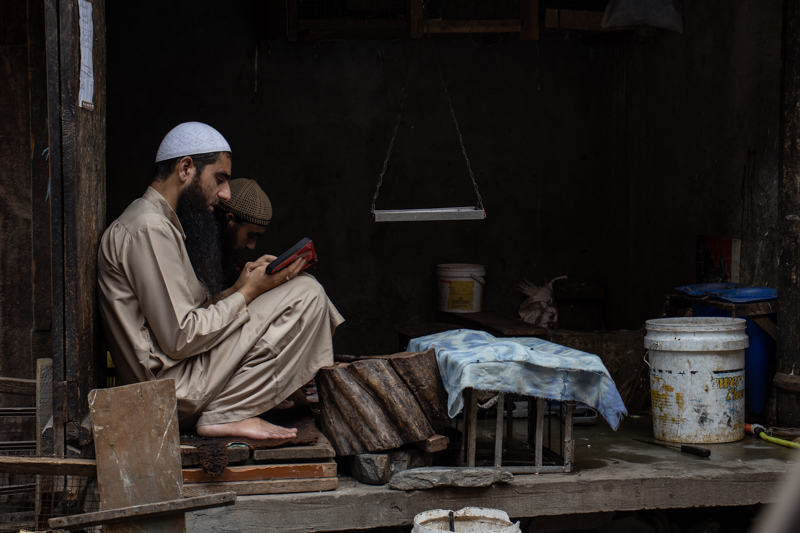
In Pictures: Ramzan vibes and varieties in Kashmir

“It doesn’t feel like Ramzan,” says Amir, looking at the street footfall and piles of unattended dates. “Something has changed.”

6 / 12

In Pictures: Muslims in Kashmir observe Jumat-ul-Vida

On the last Friday of Ramzan, Kashmir Muslims gathered across several mosques and shrines in Kashmir to offer congregational Friday prayers. The historic Jamia Masjid, however, remained locked as authorities disallowed prayers citing “law and order problems” as reason. Processions were taken out from several localities in Kashmir in solidarity with Palestine and to mark the Youm-e-Quds. Banners reading “Free Palestine” were seen pasted on a mosque entrance in Srinagar.

7 / 12

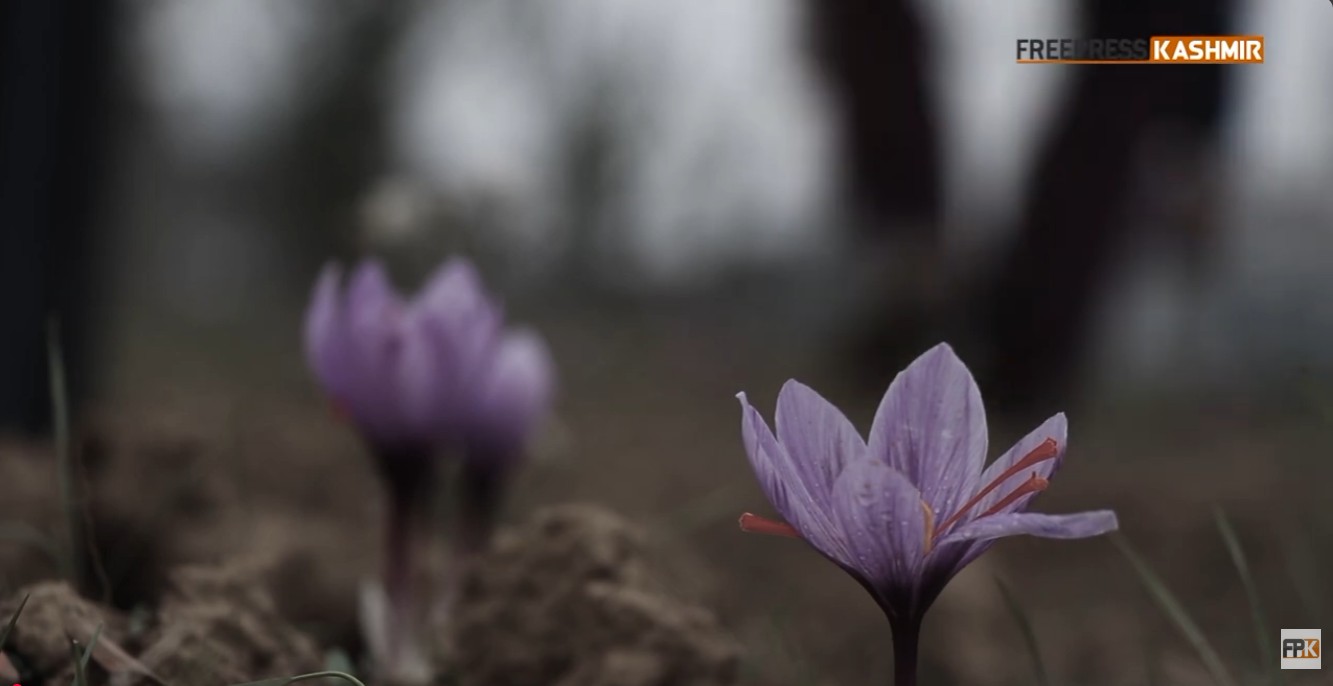
Beyond Saffron: The diminishing fields of Pampore, Kashmir

In Pampore and Khrew towns of South Kashmir's Pulwama district, saffron growers have been facing an array of challenges. Every season, they harvest little of what is expected from the quantity they sow. We met with families from Pampore and Khrew and explored what factors have been responsible for the decline in crop. Growers and experts, both largely blame climate change, urbanisation, and industrialisation for the diminishing yield.

8 / 12

Eid-ul-Milad Nabi

Eid-ul-Milad Nabi celebrated with fervour at Hazratbal Shrine.

9 / 12

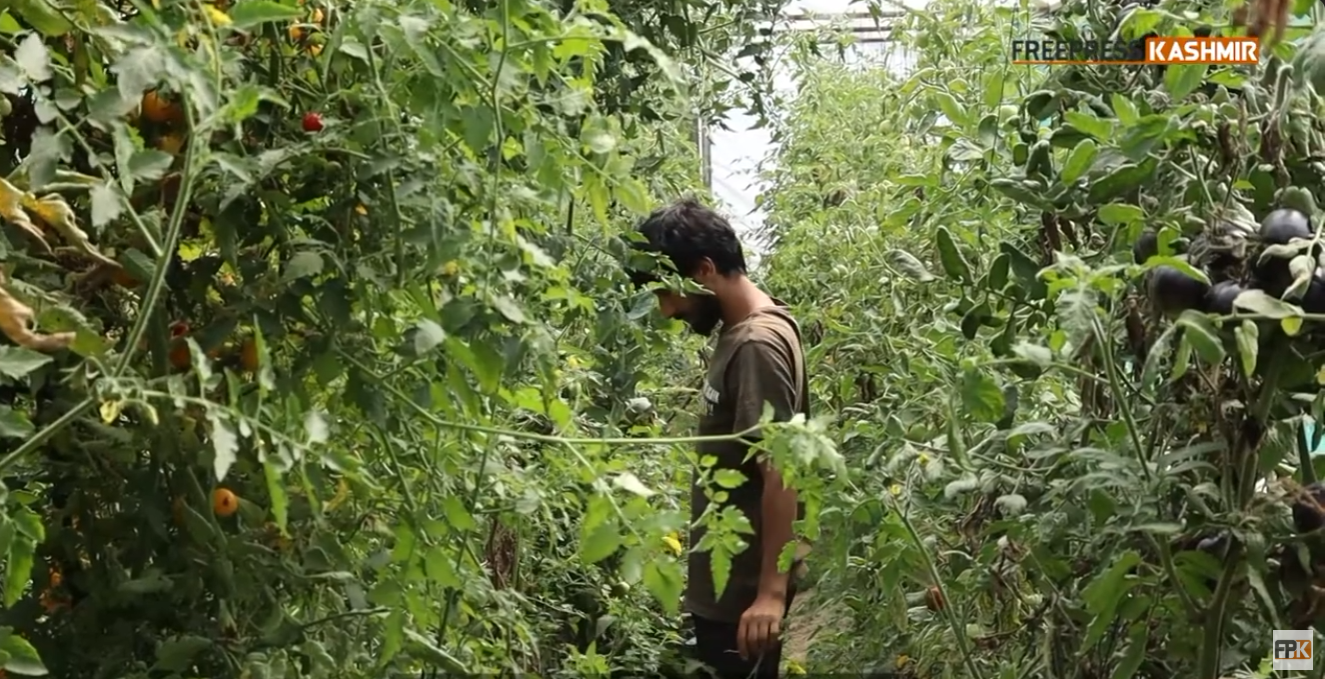
Kashmiri Youth Taking to Organic Farming.

70 percent of the valley is directly or indirectly dependent on agriculture. Recent studies showing visible reduction of farming land proves a steep decline in agriculture. However, younger generation in Kashmir is still taking up to agriculture. Free Press Kashmir speaks to Muzamil Ahmad Akhoon from Bandipora and Neelofar Jan from Pulwama, who are running a successful farming business. Both of them are graduates while Neelofar is pursuing her masters as well.

11 / 12

In Pictures: Muharram procession disallowed in Srinagar

On the occasion of 8th Muharram today, the Shia mourners were disallowed in several parts of Srinagar, and at places, met with shelling by the police in Srinagar’s Lal Chowk.

12 / 12

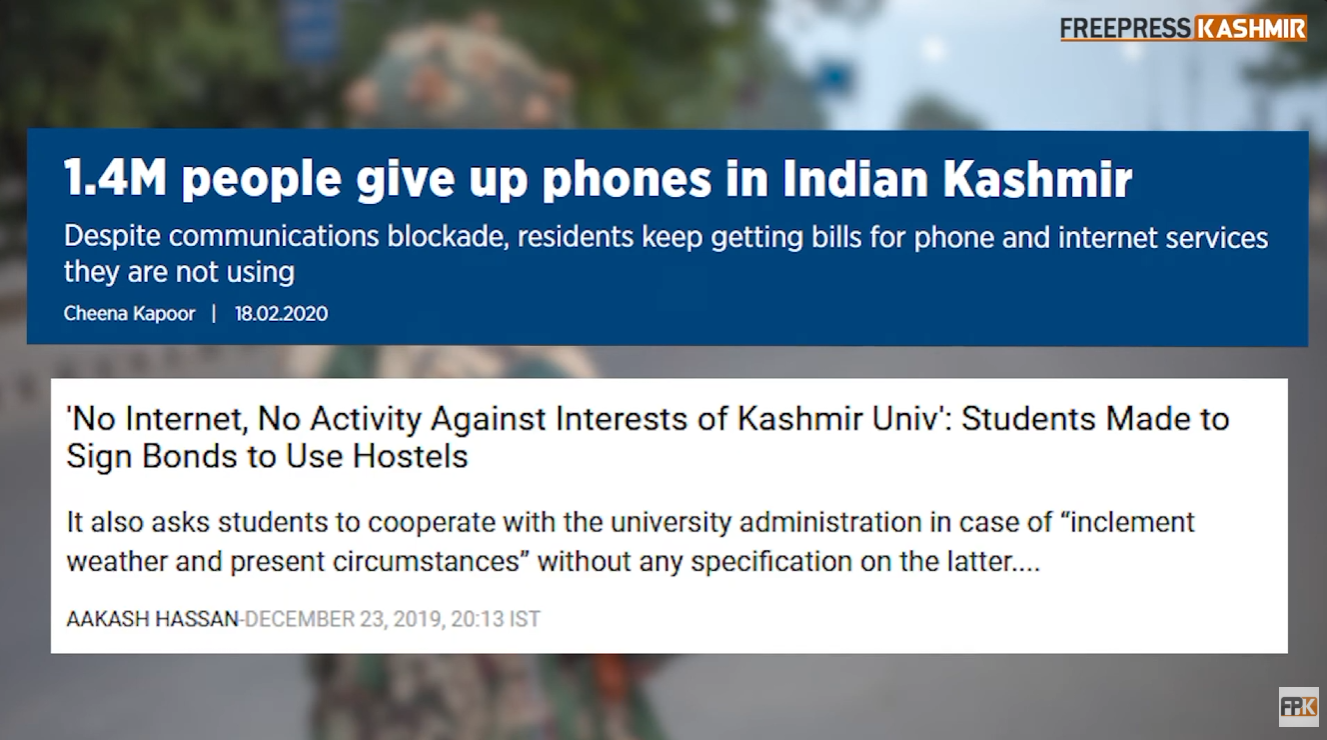
Revisiting Kashmir's Communication Siege

On August 5, 2019, India unilaterally changed the semi-autonomous status of the region and divided it into two Government of India controlled Union Territories. The move was made while imprisoning the entire political class, jailing activists and journalists, and enforcing a complete communication blackout.